EMS QA/QI Software: Building Fair Chart Audits
Use EMS QA/QI software to build fair chart audits: swap random sampling for high-risk filters, coach under Just Culture, and protect peer review records.

Good EMS QA/QI software helps your medical director coach crews and fix broken systems, not hunt for someone to punish. The fair version flags high-risk calls automatically, routes them to peer review, and turns what it finds into teaching. Run chart review like a disciplinary hearing and crews start charting to protect themselves instead of telling the real story.
Every medic knows the feeling of a chart kicked back at 06:45 over a typo. When review turns into nitpicking, trust goes fast. Crews stop asking clinical questions, and narratives get vague on purpose.
A fair audit program flips that. It sets the rules before tones drop, and it finds the calls worth reviewing with filters instead of luck. Here's how to build one: drop random sampling, give feedback people can hear, and keep your peer review records protected.
Why does random chart sampling fail EMS agencies?
For years, a lot of agencies reviewed a random slice of each month's charts. A supervisor pulled a stack, checked for signatures, ticked boxes, and moved on. It looks balanced on paper. In practice it fails crews and patients.
Random pulls burn hours on routine transfers, lift assists, and minor cuts. Those calls rarely teach anything. Meanwhile the rare, high-risk runs slip by. A tough pediatric tube or a missed stroke can sit unreviewed for months.
Reading a pile of routine runs won't tell you whether your crews are struggling with pediatric drug math or advanced airways. That's why more agencies are pulling random sampling out of their ePCR QA review process and replacing it with filters that flag high-risk calls as soon as a chart is finished.
Which automatic filters catch high-risk calls?
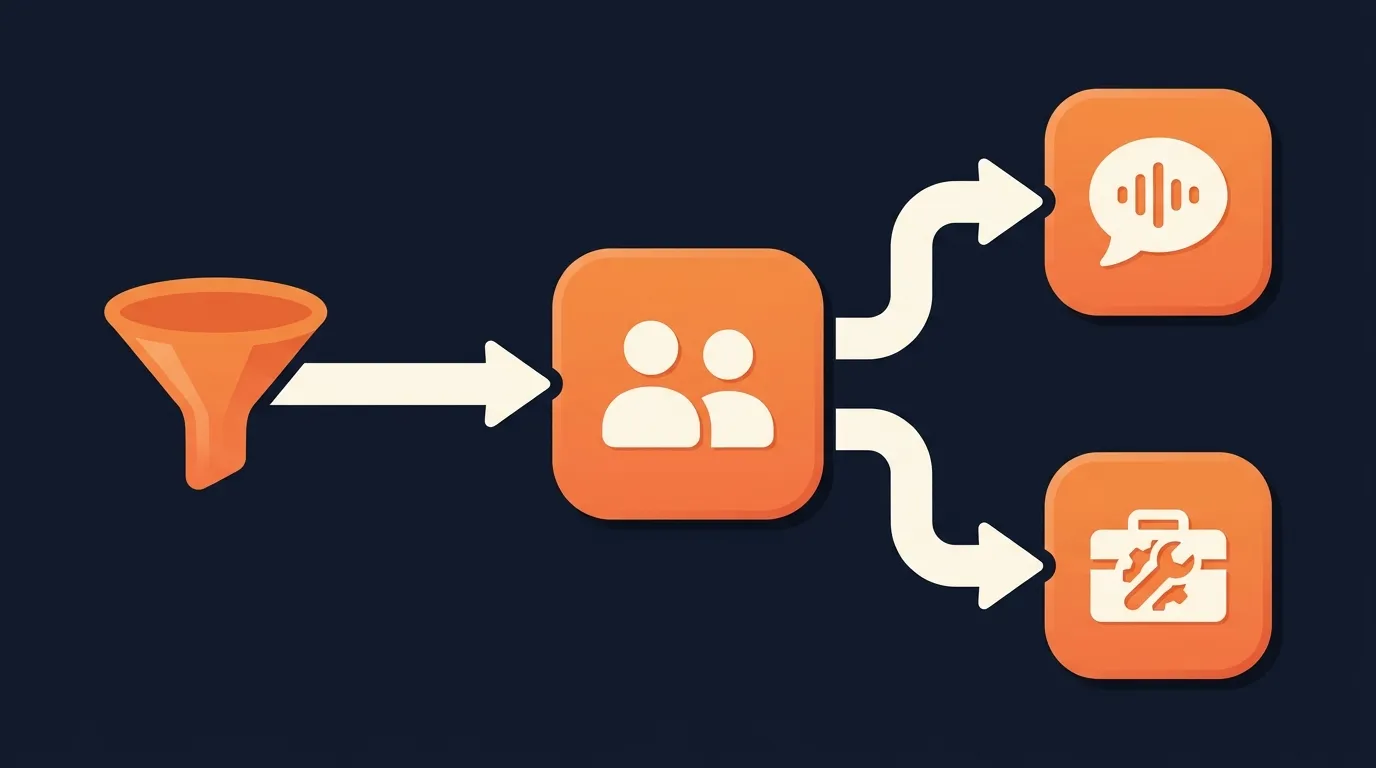
Most modern review tools let your clinical officer set up saved searches or alerts that flag specific call types. Instead of hoping a critical call lands in the random pile, you see it right away and spend review time where it matters.
Advanced airways. Flag every endotracheal tube, supraglottic airway, and surgical airway. Reviewers look at first-pass success, how placement was confirmed, and whether there's a continuous waveform capnography tracing. Missing capnography deserves a quick conversation before that crew's next shift.
Pediatric calls. Kids carry real dosing risk. Flag pediatric runs with weight-based drugs, advanced airways, or resuscitation, and check that the dose given matches the length-based tape or your agency's dosing chart.
Cardiac arrests. A focused cardiac arrest quality review looks at CPR fraction, time to first shock, and post-ROSC care. Reviewers match the monitor file against the narrative to confirm rhythm management.
Other good triggers. Rapid sequence intubation, controlled substance waste, and patient refusals with abnormal vitals. A refusal with a low sat or a high glucose is exactly the chart you want eyes on fast.
How does Just Culture change chart review?
Older QA models were built around finding someone to blame. A medic misreads a dose, gets a written reprimand, and gets sent to a mandatory class. That teaches everyone to hide close calls.
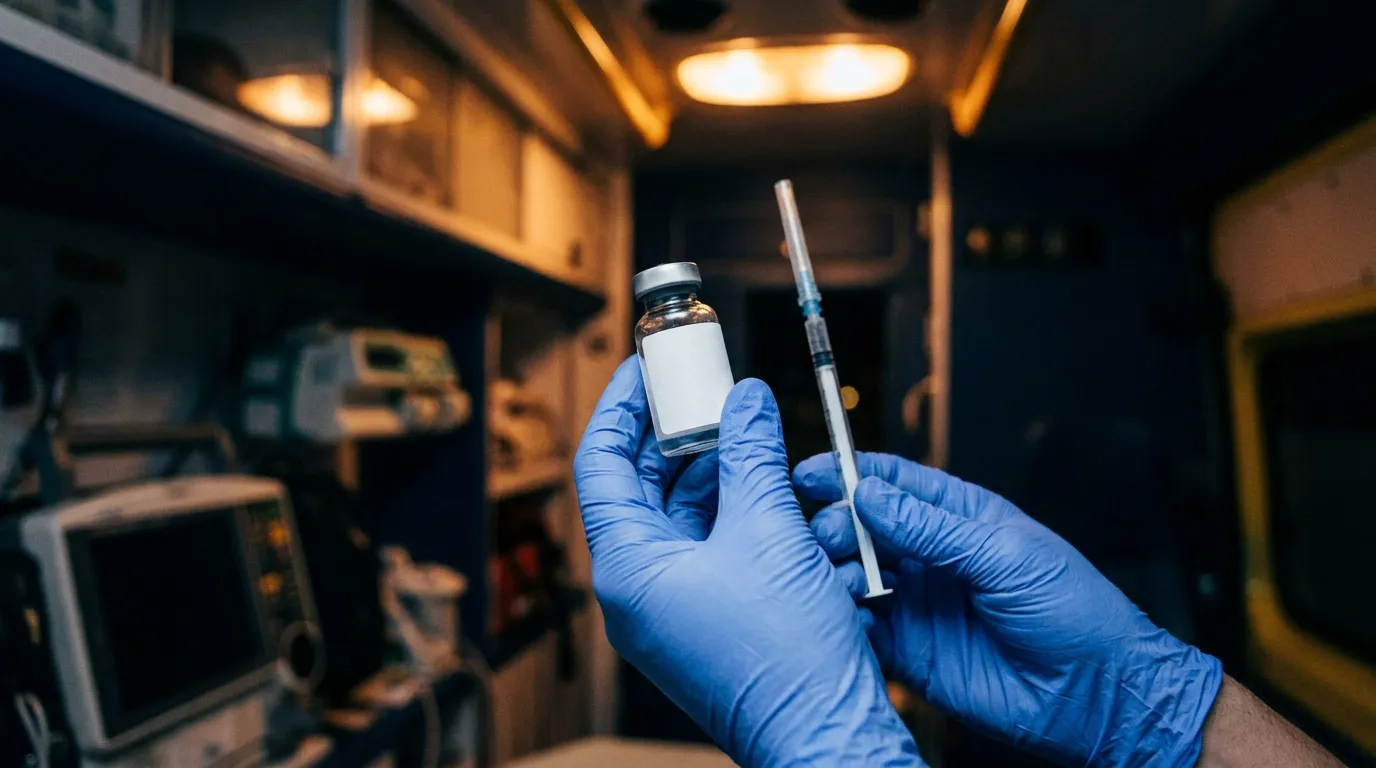
Just Culture sorts events into three kinds of behavior: human error, at-risk behavior, and reckless behavior (AHRQ PSNet). Human error is the tired medic who grabs a look-alike vial in a dark ambulance. At-risk behavior is the crew taking a shortcut because the station's process is clumsy. Reckless behavior is knowingly ignoring a safety step.
Each one gets a different response. Human error gets support and a system fix. At-risk behavior gets coaching, and often a fix to the process that invited the shortcut. Only reckless behavior calls for formal discipline.
Run your EMS clinical quality improvement workflow this way and it shows. When crews see audits leading to better equipment and cleaner processes, they start telling you what actually happened on scene.
How do you give feedback without shift-change friction?
Timing and tone decide whether feedback lands. Dropping audit notes on a crew walking out the door after a brutal 24 starts a fight before anyone reads a word.
Keep billing fixes and clinical coaching apart. A missing signature or a misspelled street name is paperwork, not a clinical problem, so don't bundle it into the same message as a protocol question.
Do clinical coaching in person and in private. If a chart shows an off-protocol call, grab a coffee with the medic and ask them to walk you through what they saw before you offer anything. You'll often learn something the chart couldn't tell you.
Call out good work too. Maybe the crew ran a messy trauma scene well but missed a repeat blood pressure. Lead with the scene control. Balanced reviews are how field crews and leadership start trusting each other.
Can EMS peer review records be protected in court?
Crews worry that a reviewer's note saying "medic made an error" will end up as an exhibit in a lawsuit. It's a fair concern.
Many states have peer review statutes that shield internal reviews, audit notes, and committee discussions from civil discovery, but these laws vary a lot from state to state and don't always cover EMS the way they cover hospitals (JEMS). The National Association of Emergency Medical Technicians says every EMS agency should use state peer review protection, a federally listed Patient Safety Organization, or both (NAEMT).
Protection usually depends on doing it the right way. Run peer review under a formal committee your medical director designates. Keep its files separate from the patient care record and from personnel folders.
Never put audit forms or disciplinary notes inside the patient chart. Good EMS peer review documentation lives in a restricted area of your QA system that only the review team can open. Check with your agency's attorney on what your state requires.
What does constructive QA look like on a real call?
What belongs on a paramedic chart audit checklist?
A shared checklist keeps personal bias out of reviews. Give it to reviewers and crews alike, so everyone knows what a solid chart looks like before it's written.
| Checklist item | What the chart should show |
|---|---|
| Dispatch vs. scene findings | Why the dispatch code matched or didn't match what the crew found |
| Serial vital signs | At least two full sets: BP, pulse, respirations, SpO2, and pain score |
| Focused exam | Pertinent positives and negatives tied to the chief complaint |
| Treatment timing and response | Drug and procedure times, with a reassessment after each |
| Airway confirmation | Tube or supraglottic depth, waveform capnography, and lung sounds |
| Cardiac rhythm | Attached 12-lead and rhythm strips, with changes noted beside interventions |
| Controlled substance waste | Amount given, amount wasted, and a witness signature |
| Protocol and orders | Protocol followed, or the online medical control order documented |
| Transfer of care | Bed assignment, receiving nurse, and time of verbal report |
| Clear narrative | A plain, time-ordered story that supports billing and holds up in court |
Where does software fit into chart review?
Running an audit program on paper logs or spreadsheets buries your clinical supervisors fast. Digging through run files delays feedback, and trends slip past.
Modern ePCR systems give QA staff saved filters, review alerts, and fast chart search, so reviewers can find high-risk calls quickly, track open reviews, and look at attached 12-lead tracings in the same place. Reviews also feed your training plan, which pairs well with solid CE tracking. Mobile Medic lets administrators set up review alerts that flag a chart when it matches a high-risk profile, like a pediatric arrest or a surgical airway. See how it works on our features page.
Frequently asked questions
What is the difference between QA and QI in EMS?
Quality assurance looks back. It checks whether past calls followed protocol, billing rules, and basic charting standards. Quality improvement looks forward. It spots trends, improves patient outcomes, and shapes crew training. Most agencies run both as one program.
Can QA chart review notes be subpoenaed in a malpractice lawsuit?
In many states, peer review laws protect formal QA reviews and committee discussions from discovery, but coverage for EMS varies by state. Protection usually depends on having a formal review committee and keeping QA files out of the patient chart. Ask your agency's attorney about your state's rules.
How should an agency handle a medic who disagrees with a chart audit?
Set up an open rebuttal process where the medic can explain their clinical decisions to a peer review panel. Scene factors often don't fit in a checkbox. Hearing them out builds trust across the service.
How many charts should an EMS medical director review each month?
Rather than chasing a flat percentage, many medical directors aim to review every high-risk call, such as pediatric arrests, surgical airways, and RSI. A small sample of routine calls rounds out the picture.
How does clinical QA connect to EMS billing audits?
Clinical QA focuses on patient care, decisions, and protocol. Billing audits check medical necessity and payer rules. They serve different goals, but clean clinical documentation makes billing easier. Keeping clinical coaching separate from billing fixes cuts down on crew friction.